
The Pink Tax in Fashion: Why Women Pay More for Clothing and Consumer Products
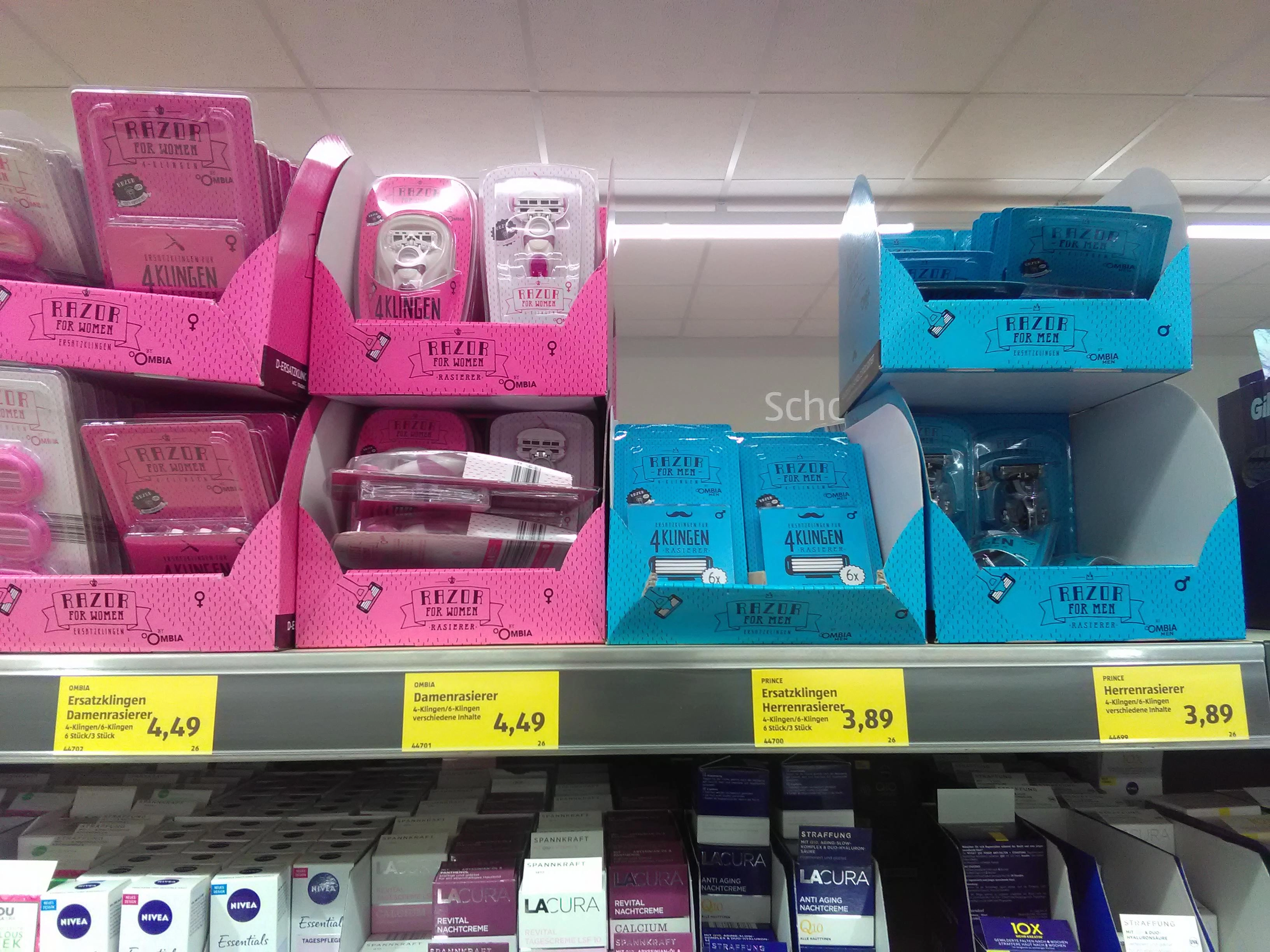
The Blue Shelf vs The Pink Shelf
Marketing to men and women differently is definitely nothing new.
Walk into almost any store and you'll see it immediately: blue packaging on one shelf, pink packaging on another.
As someone who genuinely loves pink, I’ll admit it. I own a lot of pink, cutesy, girlish products. I am a victim too. Sometimes I just can’t help it, yanno.
But a pink razor that costs more than the blue one sitting right next to it?
Oh hell no.
Nevermind. I’ll just buy the blue, black, or grey razor and hide it inside my pink container.
Problem solved.
Except… the fact that this even happens is not just coincidence. It’s something researchers and economists have been talking about for years.
This phenomenon is known as the Pink Tax — a pricing pattern that often emerges from gender-based product segmentation in retail and e-commerce markets.
Sometimes women are paying more for products that are actually worse.
A Small Experiment That Says A Lot
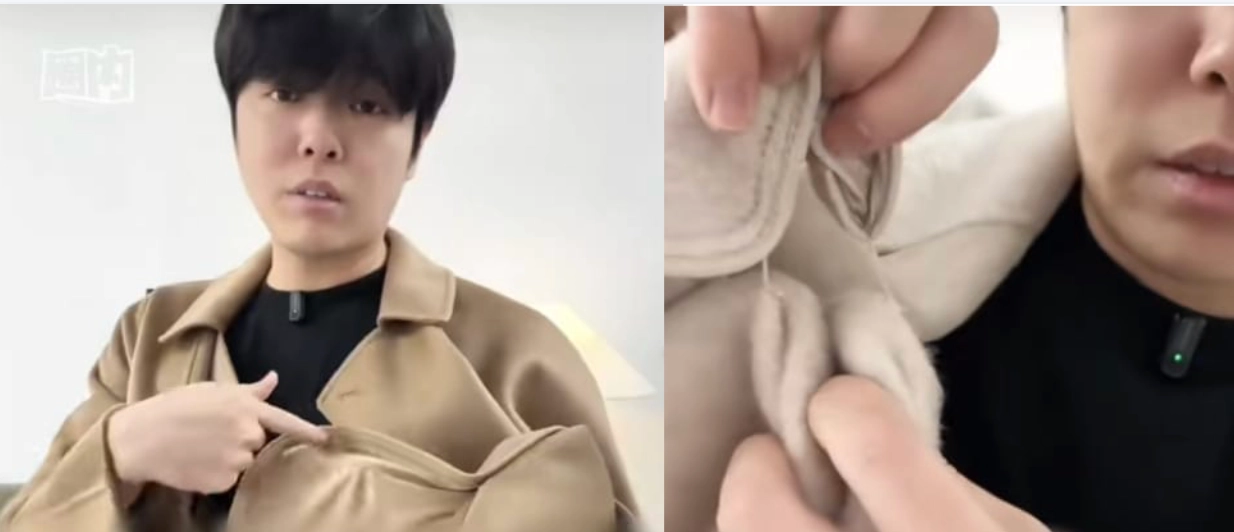
Recently, I came across a small experiment conducted by a Chinese content creator that perfectly illustrates this.
He bought comparable products marketed to men and women from the same brands — things like sweaters, suit pants, coats, and shoes — and compared their quality.
The results were… honestly not surprising.
But still frustrating.
Even when the prices were almost identical, the women's versions were often lower quality.
Example 1: Sweaters
He bought a men's and women's sweater from the same brand, with almost identical designs and similar prices.
The men's sweater?
Clean stitching. Neatly finished.
The women's sweater?
Loose threads. Messy seams.
Same brand. Same price range.
Very different finishing quality.
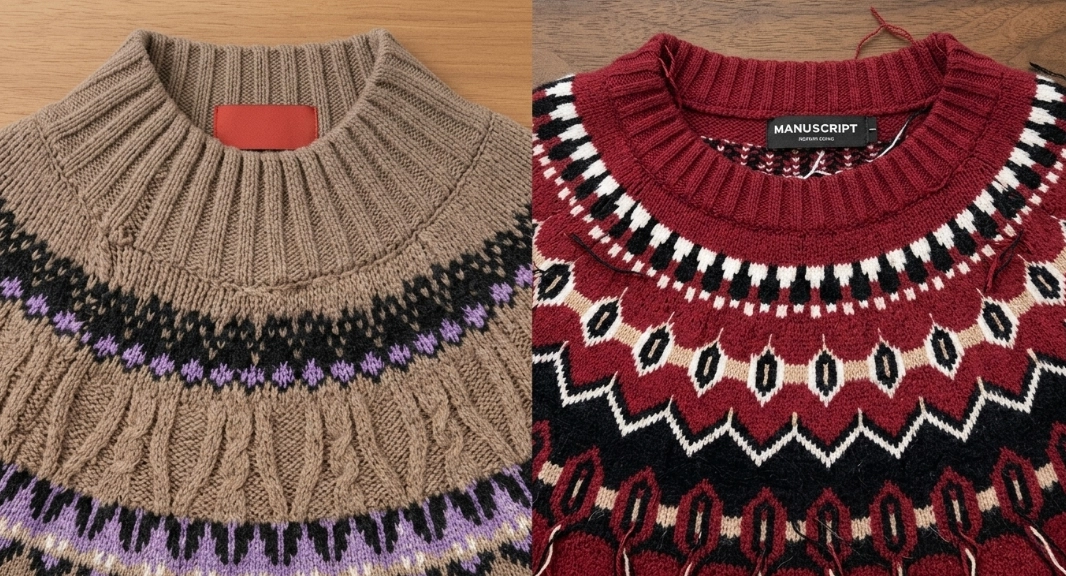
The women's sweater had messy seams and loose threads, which suggests weaker garment construction and quality control during the manufacturing process.
In apparel production, finishing details like stitching consistency are often indicators of factory quality standards and production oversight.
Example 2: Suit Pants
Then he compared suit pants that both cost around the same amount.
Here’s where it gets interesting.
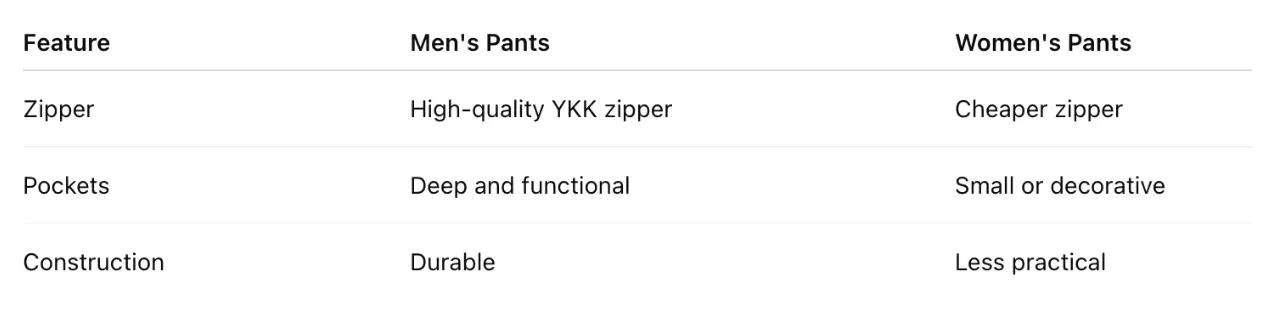
The men's pants used YKK zippers, one of the most widely recognized zipper manufacturers in the garment industry known for durability and reliability in fashion manufacturing.
Meanwhile, the women's pants used a much cheaper generic zipper called AKK zippers — a small hardware difference, but one that can significantly impact garment quality, durability, and product lifespan.

Let’s talk about the pockets for a second.
Men get pockets that can fit a wallet, phone, keys, probably a snack too.
Women get pockets that can hold… maybe a lip balm.
Many women's garments are designed with smaller or decorative pockets, a design decision that reflects how product functionality is sometimes deprioritized in fashion product development.
And when women's clothes don’t have real pockets, guess what happens next?
We buy bags.
Which means companies get to sell us another product.
So now what started as a pocket design choice becomes a whole handbag industry opportunity.
Business strategy at its finest.
Example 3: Coats
Next, he compared coats that were priced around the same amount.
Inside the men's coat, the lining was neatly stitched and fully finished.
The lining looked barely stitched together, which may indicate lower manufacturing investment in interior garment finishing, a cost-saving measure sometimes used in mass production supply chains.
From the outside they looked similar.
But the inside told a different story.
What Exactly Is the Pink Tax?
These examples reflect a broader phenomenon known as the Pink Tax.
The Pink Tax refers to the additional amount women often pay for products marketed specifically toward them compared to similar products marketed to men.
It’s important to note that this is not a literal government tax.
Instead, it is a retail pricing strategy driven by gender-based product segmentation, a common tactic used in both physical retail and e-commerce merchandising strategies.
Research suggests that women’s products can cost 7%–13% more on average.
A 2015 study by the New York City Department of Consumer Affairs examined nearly 800 products and found that items marketed to women cost more 42% of the time.
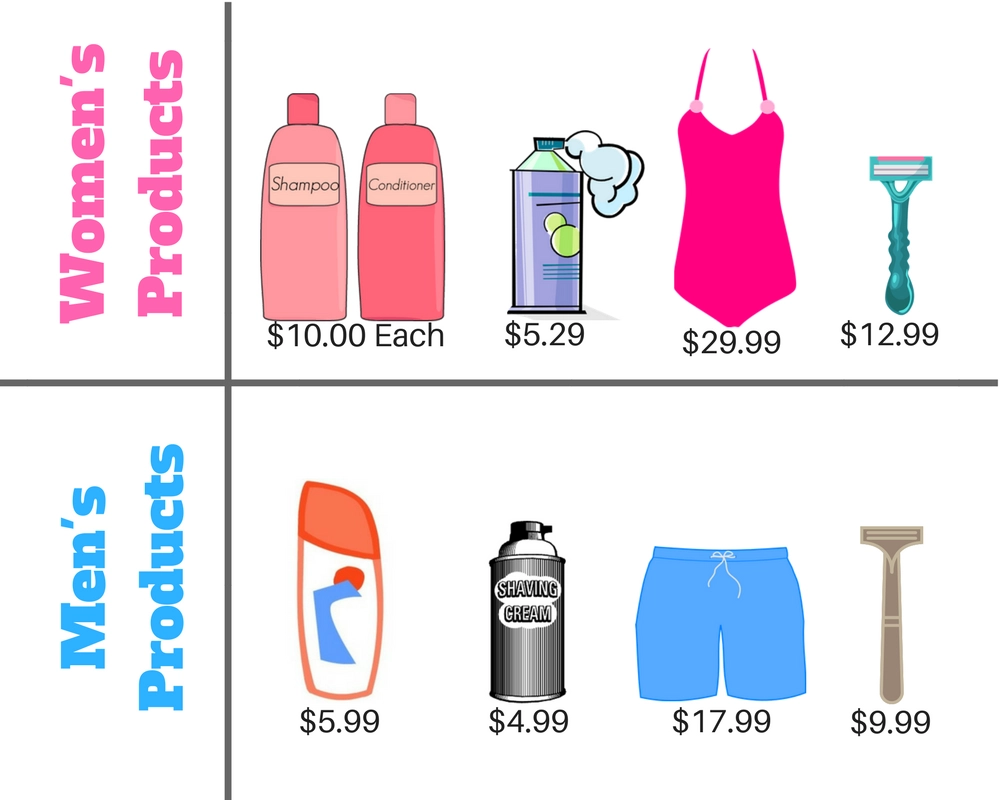 On average:
- Personal care products cost 13% more
- Adult clothing costs 8% more
- Children’s clothing costs 4% more
- Toys and accessories cost 7% more
These differences appear in everyday items like:
- Razors
- Shampoo
- Deodorant
- Clothing
- Toys
And sometimes the only difference is color and packaging.
It Starts Earlier Than You Think
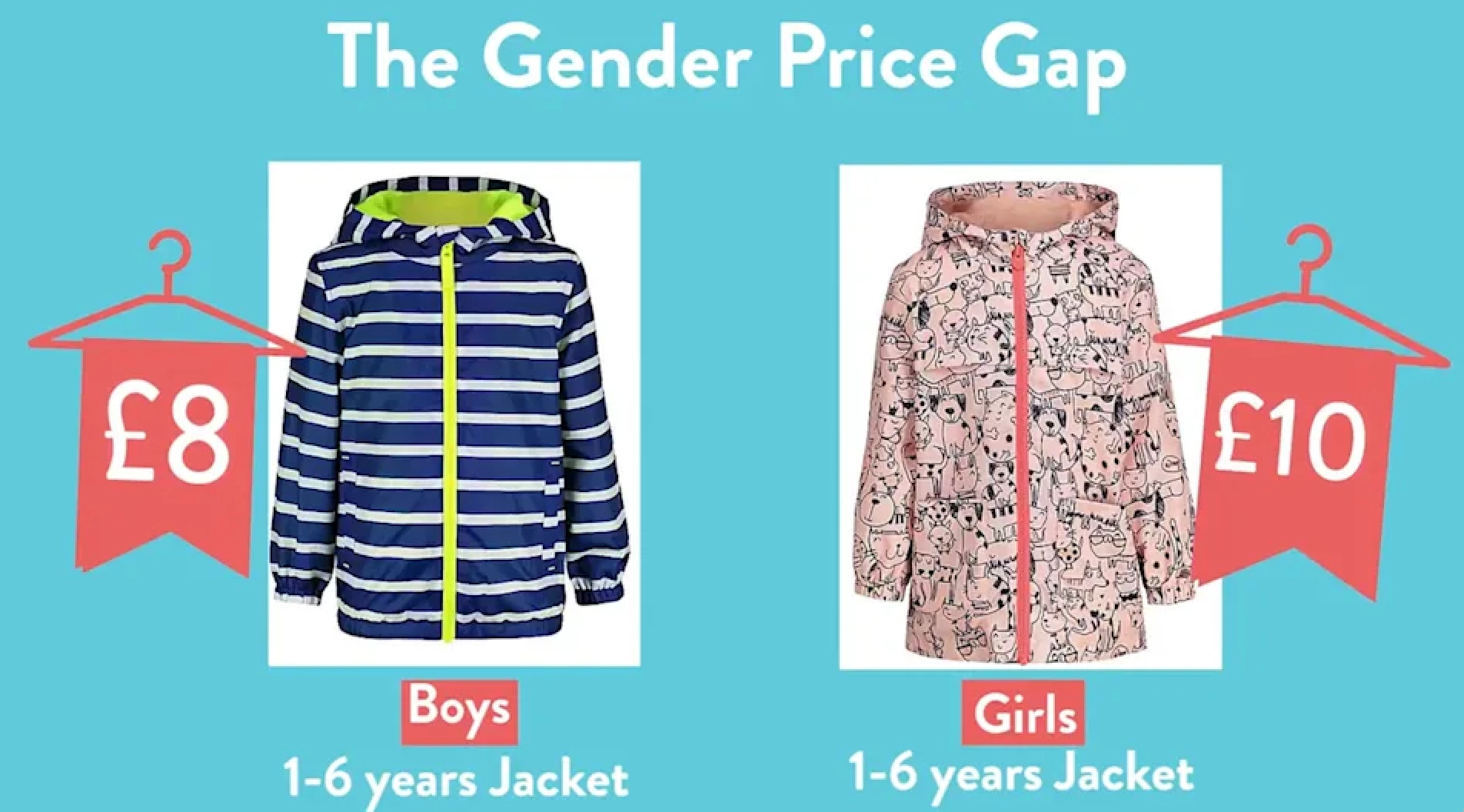
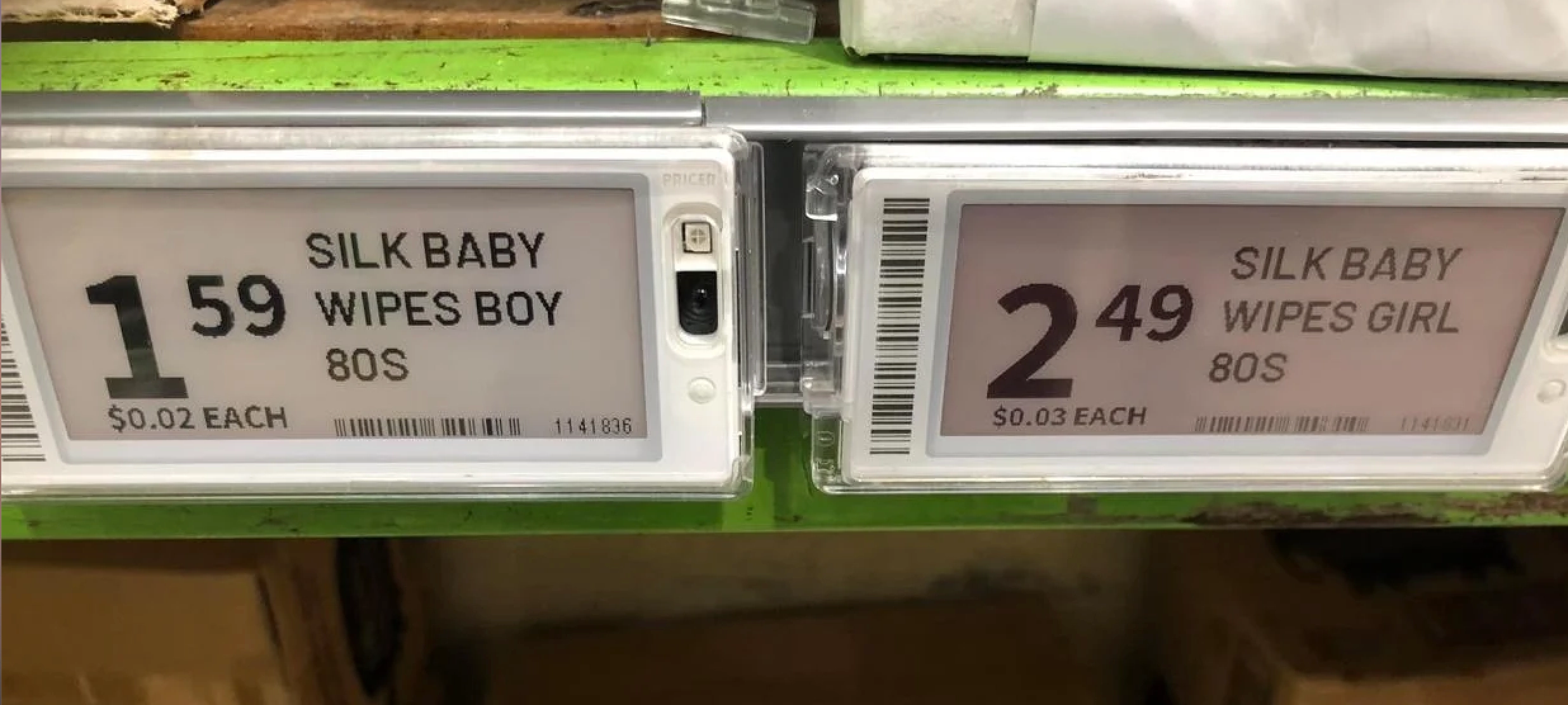
What’s even more surprising is that gender-based differences can start very early.
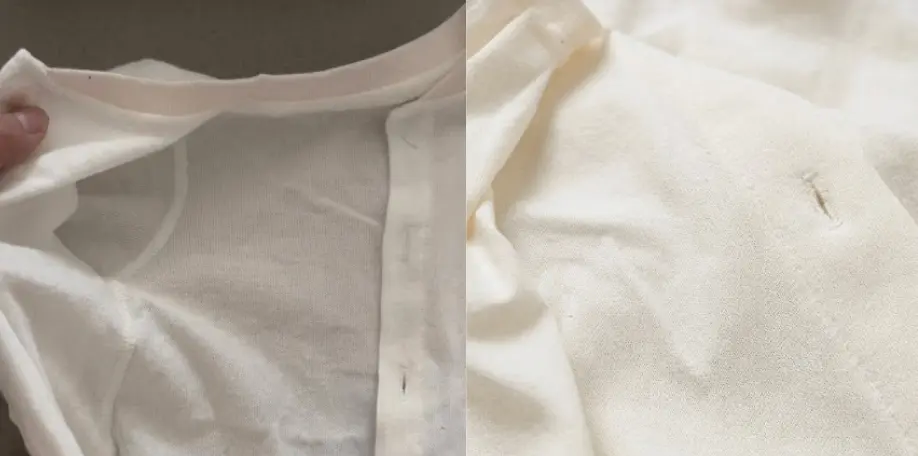
One mother shared an example after buying baby clothes from the same store:
- A pink outfit for her baby girl
- A blue outfit for her baby boy
Same brand. Same store.
But the difference was obvious.
The girl's clothing was thinner.
The boy's clothing was thicker and better made.
Apparently the Pink Tax begins before we can even talk.
The Long-Term Financial Impact
Individually, these price differences might seem small.
A few extra dollars here. A few there.
But over time, they add up.
Some estimates suggest women may spend up to $190,000 more than men over their lifetime simply buying similar types of products.
And this happens in a world where women already face a gender wage gap.
So the situation becomes:
Women often earn less but pay more.
Not exactly a fair equation.
The Irony of It All
 Here’s the ironic part.
Women are actually one of the most powerful consumer groups in the world.
Studies suggest women influence about 85% of global purchasing decisions and contribute roughly 37% of global GDP.
In other words, companies clearly recognize women as a powerful consumer segment in the global retail and fashion economy.
But sometimes it feels like they want the money more than they want to design products that truly serve women’s needs.
What Can Change?
 Awareness of the Pink Tax has been growing in recent years.
Some governments have introduced laws to prevent gender-based pricing discrimination.
But honestly, one of the most powerful tools is simply consumer awareness.
When people start asking questions like:
“Why does this cost more?”
“Is this actually different?”
“Am I just paying extra for pink packaging?”
Companies start paying attention.
Conclusion

The Pink Tax highlights something important about modern consumer markets.
Companies recognize that women are a powerful consumer group. They want women’s spending power.
But recognition alone isn’t enough.
If women are paying more, they deserve equal quality, equal functionality, and equal value.
And speaking as someone who genuinely loves pink things — I’m perfectly happy to buy pink.
Just not when pink costs more and gives me less.
For fashion brands, manufacturers, and e-commerce sellers, this also presents an important lesson. As consumers become more aware of pricing strategies and product quality, transparency, fair pricing, and thoughtful product design will become increasingly important in the future of retail.
Because in the long run, customers don’t just remember what they bought.
They remember whether it was worth it.
Stefanie Klyr
Author